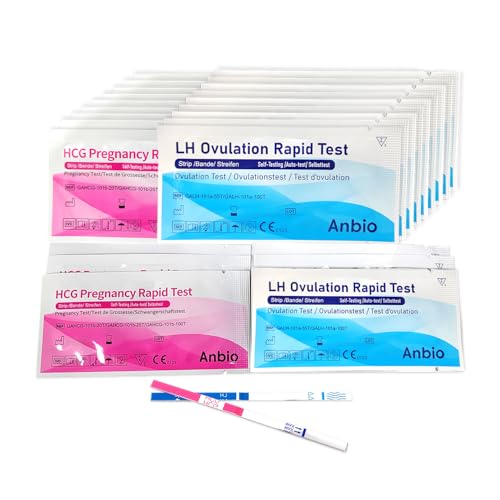
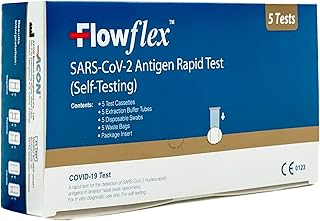
avoiding pitfalls in using rapid tests for accurate results
Rapid tests have become increasingly popular due to their speed and convenience, especially in healthcare settings and at home. However, while these tests can provide quick insights, there are several common pitfalls that one must avoid to ensure accurate results. Understanding these mistakes can make all the difference in interpreting the findings correctly.
Understanding the test type
Before using any rapid test, it is essential to understand the specific type of test being employed. Different tests are designed for different pathogens or conditions. For instance, a rapid antigen test for COVID-19 is not the same as a rapid antibody test. Misusing these tests can lead to inaccurate interpretations. It is vital to read the product instructions carefully to determine the intended use, the target population, and the specific conditions under which the test should be taken.
Timing is crucial
Another common mistake is not considering the timing of the test. Rapid tests often have specific windows during which they are most effective. For example, testing too early in the infection process may yield a negative result even when the individual is infected. Conversely, testing too late may lead to misinterpretation of recovery. It is advisable to follow public health guidelines regarding the optimal timing for testing, especially during outbreaks or after potential exposure.
People Also Look For:
- One Step: Vitamin B12 Blood Test Kit - at-Home Self-Collection with Fast Lab Results (2-4 Days) – Diagnose B12 Deficiency &...
- Anbio 2 x Blood Type Test Kit - Group A, B, RHD Testing - Rapid Home Tests
- Thyroid Testing Kit – Easy at-Home TSH Blood Test | 10-Minute Results, Lab-Grade Accuracy | Early Screening for Hypothyroid...
- Early Pregnancy Test 10mIU/ml Early Detection Pregnancy Test Fast Response 99% Accurate HCG Pregnancy Test 6 Packs
- 2 x AYDMED Faecal Occult Blood Tests | FOB Test Kit for Home Self-Test Faecal Screening of Gastrointestinal Bleeding | FIT Test fo...
Environmental factors
The environment in which the test is conducted can significantly affect the outcome. Temperature, humidity, and even cleanliness can influence the accuracy of rapid tests. For example, some tests require a specific temperature range for the reagents to work effectively. Performing a test in a too cold or moist environment may result in invalid results. Always ensure you are conducting the test in an appropriate setting, ideally as noted in the manufacturer’s instructions.
Proper sample collection
Improper sample collection is one of the most frequent mistakes when using rapid tests. Whether it is a nasal swab, saliva, or blood sample, following the sample collection guidelines is paramount. For nasal swabs, ensure that the swab reaches the correct depth in the nasal passage and that it is rotated correctly to collect an adequate sample. Failing to collect a sufficient sample can lead to false negatives, undermining the reliability of the test.
Interpreting results accurately
Interpreting the results of rapid tests requires a careful approach. Many users overlook the importance of the time frame in which results should be read. For instance, reading a test result too early or too late can lead to misinterpretations. Always adhere to the specified timeframe for reading results and consult the product instructions for guidance. Additionally, understand that a positive result often requires further confirmation with a more sensitive test, particularly in the case of viral infections.
Using expired tests
Checking the expiration date is an often overlooked step in the rapid testing process. Using an expired test can lead to unreliable and inaccurate results, potentially compromising health decisions based on those results. Always keep track of the expiry dates and ensure that the tests are stored correctly, as improper storage can also affect their efficacy.
Seek professional guidance
If there is any doubt about the testing process or result interpretation, do not hesitate to seek help from healthcare professionals. This is particularly important when dealing with serious health conditions where the stakes are high. Consulting with a health expert can provide clarity and ensure that you are on the right track.